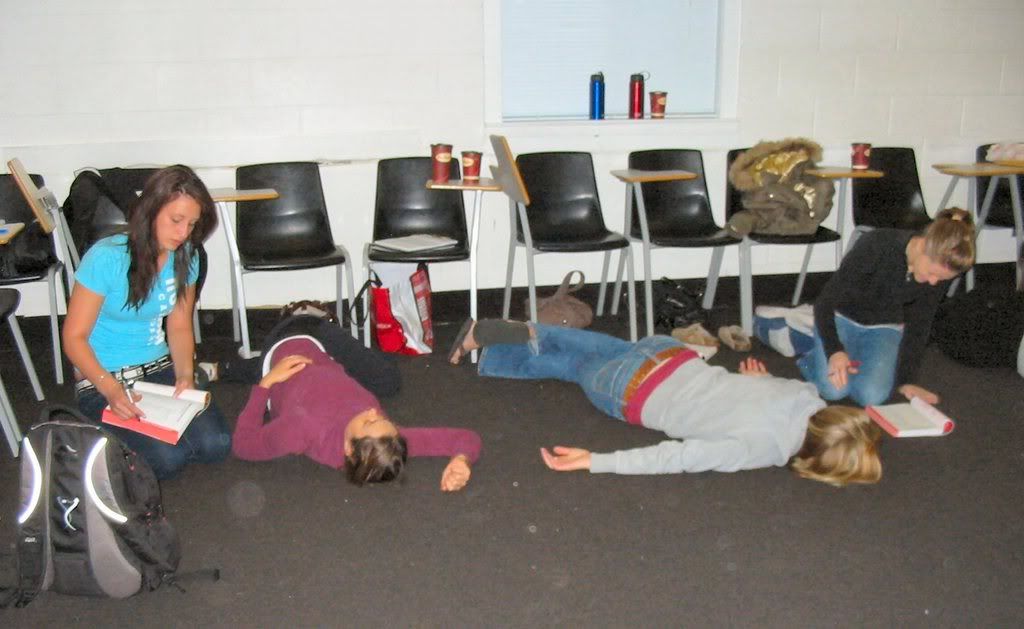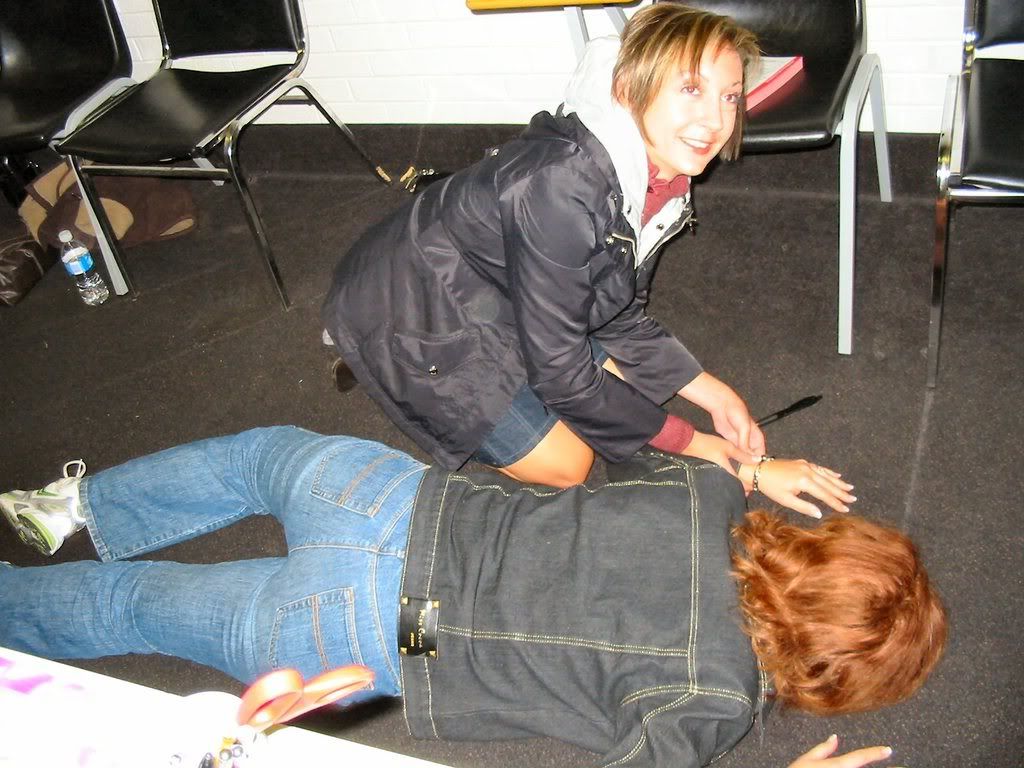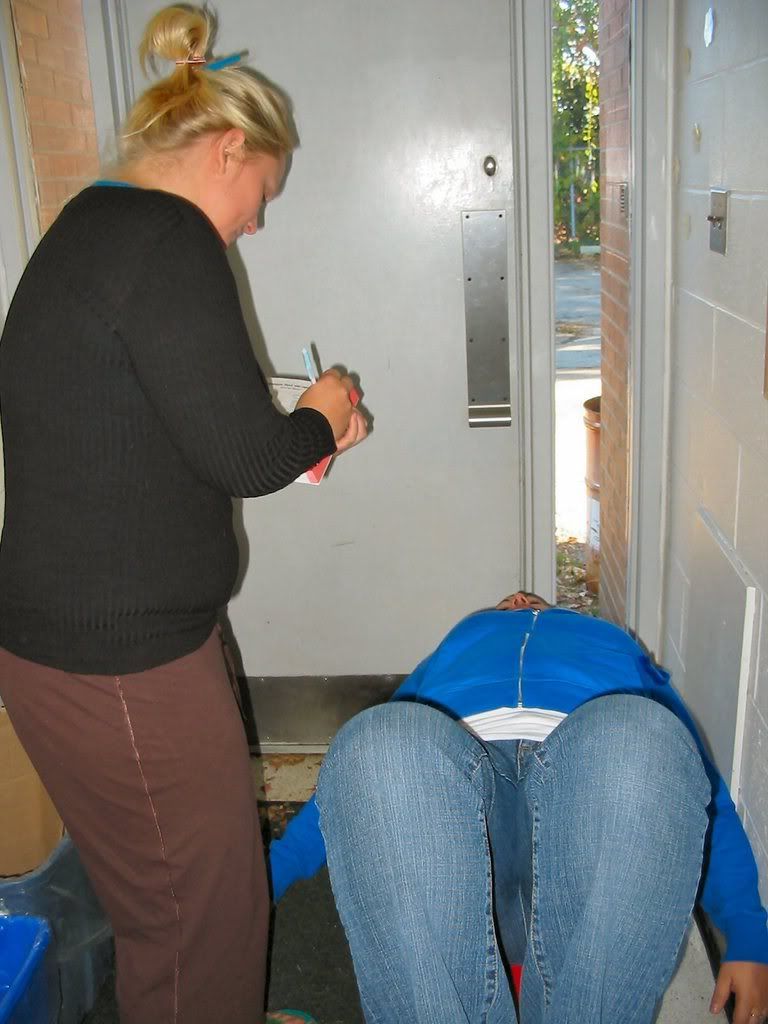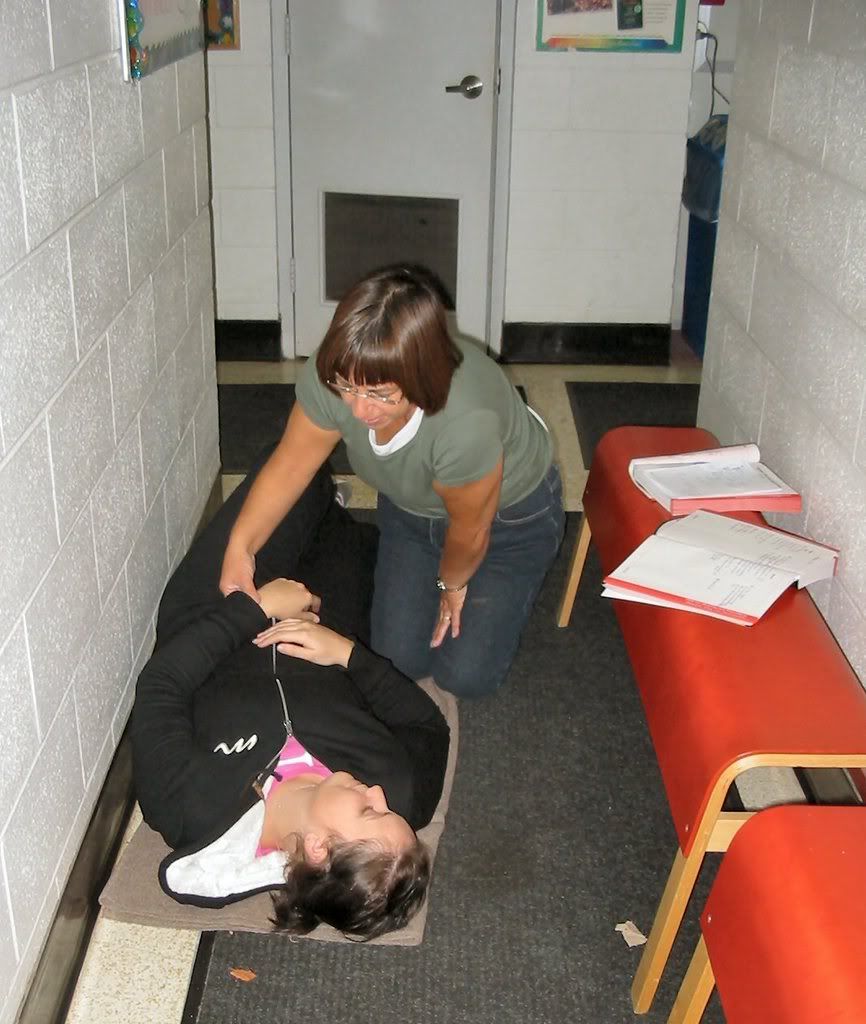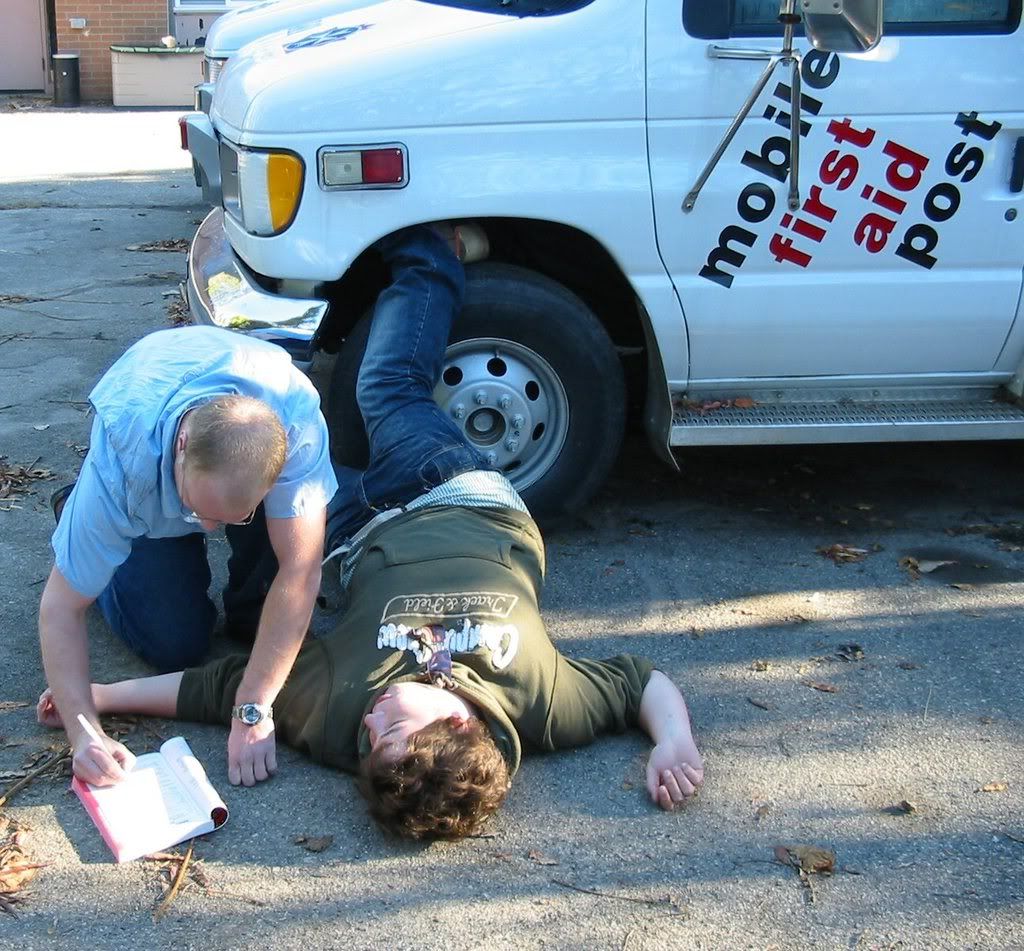
I've been teaching
(first aid/CPR/AED) more these days. To break the monotony of the classes for myself and the students, I use various teaching methods like group work, competitions, Q & A sessions. I always end up learning something new with this. This week I learned that we do not have a national number for a Poison Control Centre (PCC). This is how I found out...the three groups in class were highly competitive, they were given the task of coming up with 5 questions each to ask the other teams on anything regarding the topics of poisons, bites, stings and environmental injuries. Sometimes this method blows up in my face where the students become too aggressive or become apathetic and don't participate. Not this time, these students went all out, the competition fierce. One team was leading the others by only 1 point, the other teams were grumbling.
"OK so how about I ask a really difficult question for 5 bonus marks?" I asked. The teams agreed, eager to blow the others out of the water.
"You have two minutes to come up with the number for Poison Control Centre" I wrote on the board.
That should get them going I thought. I had previously gotten the number from the inside page of the phone book.
Two of them took their cell phones out and dialed 411 to find out, others went scouring the building checking out the first aid posters for numbers, others looking for a phone book. At the end of the two minutes I ended up with 3 different phone numbers, none of them the one I had obtained from the phone book.
Shit, what was going on? I thought there was only one number. The number I told them to enter into their phones in case of emergency. Maybe I made a mistake.
Turns out that there is no one number for PCC but there are different numbers available for each province including a local number...no national number. I turned to the Google Gods for information and found out the numbers for each province. Here are the toll free numbers (source CAPCC):
Alberta: 1-800-332-1414
British Columbia: 1-800-567-8911
Manitoba: 9-1-1
New Brunswick: 9-1-1
Newfoundland: (709) 722-1110
Northwest Territories: (867) 669-4100
Nova Scotia: 1-800-565-8161
Nunavut: Iqaluit, NU:(867) 979-7350, Cambridge Bay (Ikaluktutiak) Health Centre:(867) 983-2531, Rankin Inlet (Kangiqliniq) Health Centre:(867) 645-2816
Ontario: 1-800-268-9017, 1-800-267-1373
Prince Edward Island: 1-800-565-8161
Québec: 1-800-463-5060
Saskatchewan: 1-866-454-1212
Yukon Territories: (867) 393-8700
In the United States the number to call is 1-800-222-1222 where the caller is routed to a PCC in their area.
I sent an email to the Canadian Association of Poison Control Centres to see why we don't have a national number, maybe its in the works. I'll post their reply, if I get one.
It makes more sense to have one easy number to remember for the country, not to mention more efficient. I mean look at Manitoba and New Brunswick, they don't even have have a number they have to call 9-1-1. It would also be cheaper for advertizing and educating the public, one poster, one sticker, one number but hey that's just
my opinion.
On the whole, the class competition was for bragging rights, not for prizes although we all went home a little smarter that day...including the instructor.
For more information on PCCs:Canadian Association of Poison Control Centres: CAPCC
Ontario Poison Control CentreAmerican Association of Poison Control Centers: AAPCC
World Health Organization: Information on Poison Centres.
World Directory of Poison Control Centres: I double checked the phone numbers for Canada. Some of them are not the same as listed in the CAPCC...Yikes.

 The CMO continued to explain how the areas testing the program have been successful in cutting costs, "especially in our troubling economy we all have to find more efficient ways of doing our jobs."